Heroin Addiction
The Asian poppy plant seems innocuous enough. Of course, once you find out that it can be cultivated for a variety of medicinal purposes, including the addictive heroin, the poppy plant takes on a certain sinister sheen.
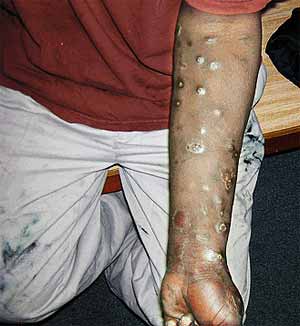
Heroin Addict |
|
Heroin is a highly dangerous and addictive opiate that is processed from the naturally occurring morphine that is found in the poppy. The result of this processing is a brown or white powder that can be injected intravenously, snorted or even smoked.
Junk, Horse, Smack, these are just three of many street names given to heroin. No one stops in the middle of their daily routine and says, "I think I will become addicted to heroin today." That first hit of the drug usually happens because the user needs to escape from something in their life. Subtle peer pressure can contribute to the user making the choice to try it the first time. Heroin initially produces a euphoric feeling and an escape from problems. The first "feel-good" experience leads the way to another and then another. Before the user knows it (or definitely recognizes it), a heroin addiction is born.
When heroin is taken on a regular basis, the body gradually builds a tolerance to the drug. When this happens the user has to take more and more of the drug to maintain that buzz. Soon, the body craves the heroin and has developed an addiction. During the introduction of the drug into the body, there is at first a euphoric feeling known as a "rush," then a state of semi-consciousness that the user weaves in and out of for a period of time. Next, heroin starts to dull the senses, slowing down any messages that the body sends to the brain and vice versa.
Long-term effects of heroin addiction are many. Collapsed veins from over-popping heroin are common. The liver has a harder time filtering the blood, so liver disease is another problem. Infections of the heart, pulmonary problems, pneumonia, weird abscesses and threat of HIV/AIDS and hepatitis B & C are just a few of a host of problems long time users of heroin face.
Rehab is really the only thing that will save someone from heroin addiction. There may be a rare few who can beat it on their own, but it is doubtful because the withdrawal symptoms are usually too tough for someone to get through alone without help. Insomnia, vomiting, diarrhea, joint and muscle pain, leg spasms, aching bones, cold sweat and goose bumps are some of the major withdrawal symptoms. The severity of the symptoms peaks at about two to three days and the worst of the ordeal is over after a week or two. However, long-term, habitual users can take months before the withdrawals symptoms shake loose. A drug rehab clinic may use pharmaceutical approaches such as Methadone, LAAM (levo-alpha-acetyl-methadol) or buprenorphine to quell withdrawal symptoms and help the heroin addict stay clean over the long haul.
Heroin addiction can be found anywhere, even though some people take a common, yet inaccurate view of it being just on the streets. The process starts as a distraction from the daily pressures of life, but the great escape really happens when the addict makes a decision to get clean and goes for treatment to kick their drug habit.
|
