Denial in Addiction
Denial in addiction is a defense mechanism that those abusing drugs or alcohol will need to overcome in order to kick their habits. "Denial ain't just a river in Egypt" is a mantra often heard at 12-step meetings. This is because Step 1 of the 12-steps deals with overcoming denial and "admitting we are powerless &"
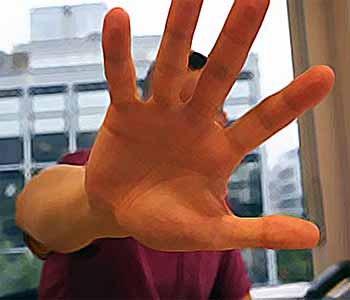
Denial is a defense mechanism. |
|
Denial in addiction is particularly problematic because the downside of drinking (or drugging) plus denial and driving can be fatal for the substance abuser and others. Other health risks associated with denial in addiction include heart disease, lung and liver disease, overdosing and brain damage.
It must be noted that denial is an unconscious defense mechanism that is necessary for survival. None of us can survive our lives without a certain amount of denial to keep us in balance. But, with denial in regards to addiction, the denial is taken to an extreme and becomes unhealthy in that it becomes an obstacle to recovery.
Why do people deny they need help? There are many reasons for denial in addiction. One reason is that people generally do not like to feel helpless and out-of-control and this is particularly true for the addict. The addict will blame everything and everyone except their own substance abuse for their problems. Another reason is that the addict may be using drugs or alcohol to cover up or numb unpleasant feelings and by stripping away the denial (and drugs and alcohol), the unpleasant feelings will come to the surface.
While not all substance abusers have suffered past traumas in their lives, an inordinate amount have. Child sexual or physical abuse is common in the addicted population as are other kinds of trauma such as those suffered in wartime, rape or by other victims of violent crimes. Addicts may be using drugs or alcohol to numb the uncomfortable feelings from post-traumatic stress disorder (PTSD) from past traumas which will eventually need to be dealt with in order for full recovery to occur.
But, no matter what the cause is of the denial, the important part is that the addict confront the defense mechanism head on. This may be by what some addicts describe as "hitting bottom" or can come from confrontation with family, friends or through the court systems. Many times an addict will lose a job, friends or family relationships because of the addiction and start to face the denial because their lives truly have become unmanageable.
Denial in addiction is not a linear course, either. The addict may be in denial at some times, and facing reality at others, so addiction in denial may be fluid especially in the beginning stages of recovery. Even for those who are far along the recovery path, falling off the wagon and denial can strike at any time and will need to be overcome once again to get back on track. Perhaps Linkin Park talked about confronting denial best in their song "Breaking the Habit" when they said, "I'll paint it on the walls, 'cause I'm the one at fault" in acknowledgement that a habit is indeed a personal disease for which one needs to take responsibility in order to break free.
|
